
Lesser-known Europe destinations
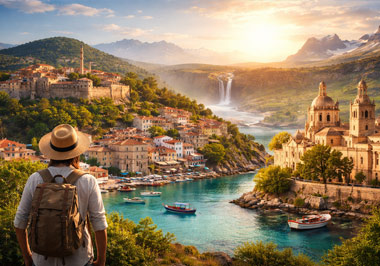
Looking beyond classic tourist routes? Explore lesser-known destinations in Europe with practical travel guides covering hidden places, transport tips, cultural heritage and entry requirements.
Europe is often pictured through its greatest hits: Paris sunsets, Rome ruins, Barcelona beaches. But there is another side to the continent — an Europe that feels quieter, more personal, and often far more surprising. It’s the Europe of underrated islands, border towns shaped by history, cultural landmarks overlooked by mainstream itineraries, and cities where public transport makes exploring effortless.
If you like to travel beyond the obvious, you usually have two needs at the same time: inspiration and practical guidance. That’s exactly what this hub is designed for. It brings together lesser-known Europe travel guides to help you plan smarter and travel with confidence — whether you’re looking for hidden places in Greece, architecture and heritage in Malta, local transport in France, or travel requirements for Iceland.
This page is intentionally practical, but also meant to spark ideas. You can treat it like a starting map: pick a destination, open the dedicated guide, then combine it with the travel tips at the end to build a smooth and realistic itinerary.
📌 L’essentiel — Lesser-Known Europe Travel Guides
- Hidden and underrated destinations across Europe
- Cultural landmarks outside major tourist routes
- Local transport systems in European cities
- Visa and entry requirements for specific countries
- Practical travel tips for independent travelers
The charm of underrated destinations is simple: fewer crowds, more local rhythm, and a stronger sense of discovery. Many travelers assume “Europe” means famous capitals, but some of the most memorable experiences happen in places that are barely mentioned online.
Below are two destinations that fit perfectly into a lesser-known Europe itinerary — and that you can explore in more detail through the dedicated guides.
Northern Greece is full of history, but many travelers never go beyond Thessaloniki. Didymoteicho sits close to the Greek–Turkish border, in a region shaped by centuries of movement, empires and cultural layers. This is not a “checklist destination.” It’s the kind of place you visit to feel how history lives inside everyday streets.
What makes Didymoteicho special:
Why it’s great for underrated travel:
If you like this vibe, consider these similar lesser-known spots (same spirit):
Mini-planning checklist (Didymoteicho style trips):
When people say “Greek islands,” they often mean a short list: Santorini, Mykonos, maybe Crete or Rhodes. Lesvos is different. It’s one of Greece’s largest islands, but it remains surprisingly under the radar internationally — which is exactly why it feels so rewarding.
Lesvos is a match for travelers who want:
Why it’s underrated (in the best way):
Other underrated islands with a similar feel:
Quick itinerary idea (Lesvos-style, 3–5 days):
One of the easiest ways to explore Europe differently is to focus on cultural landmarks that are often overlooked. Not everything has to be “the top museum” or “the most famous cathedral.” Sometimes the most powerful cultural experiences happen in places where you can take your time — without crowds behind you.
Malta is famous for sunny coastlines and crystal-clear waters — but its cultural depth is often underestimated. One of its most striking features is the sheer number of churches spread across a small territory. Visiting churches in Malta can feel like a cultural journey through architecture, history and everyday life.
Why this topic is interesting:
What you can expect:
Other “same theme” cultural places (for a similar heritage mood):
How to visit cultural landmarks without fatigue:
Traveling to underrated destinations is more enjoyable when logistics feel easy. In many European cities, public transport is your best friend — and learning the basics before arrival saves time and stress.
Bordeaux is one of those French cities that travelers often “mean to visit someday” — and then are surprised by how much they love it. It’s elegant, walkable, and well-connected. And importantly: its public transport network makes exploring smooth even for first-time visitors.
The TBM network helps you:
Why transport matters for Bordeaux:
Similar cities where public transport makes travel easier:
Practical transport tips (works for most European cities):
Europe is easy to travel compared to many regions, but entry requirements still matter. Even within Schengen, rules around passport validity, duration of stay and visa exemptions can vary depending on nationality and travel context.
Iceland is one of Europe’s most distinctive destinations — remote, dramatic, and nature-driven. Because many travelers think “Europe = no paperwork,” Iceland is a perfect reminder: always check entry requirements.
Key things to verify before traveling:
Being prepared helps avoid:
Comparable destinations where travel rules can be worth checking early:
Lesser-known Europe is not “harder” — it just rewards preparation. The goal isn’t to over-plan, but to avoid the classic mistakes that can turn a hidden gem into a logistical headache.
Here are practical principles that work almost everywhere:
Choosing underrated Europe isn’t about rejecting famous places. It’s about widening the map.
Benefits include:
Often, hidden destinations feel more “human.” They’re not designed for tourism first — and that’s exactly the point.
Europe’s most famous places are popular for a reason — but the lesser-known side of Europe is where many travelers fall in love with the continent for real. Whether you’re exploring a discreet border city in Greece, choosing an underrated island like Lesvos, diving into Malta’s religious heritage, navigating Bordeaux through its TBM network, or preparing your Iceland trip with the right entry information, the common thread is the same: travel that feels more intentional, more local, and more rewarding.
Use this hub as your base. Open the destination guide that matches your curiosity, then apply the planning tips to build a trip that flows smoothly — without crowds leading the way.
Find out if your question has been answered in the list below
Traveling to lesser-known destinations in Europe allows you to avoid crowds while experiencing more authentic local life. These places often offer richer cultural interactions, better value for money and a slower travel pace. Exploring underrated European destinations also helps reduce overtourism pressure and supports local communities that benefit more directly from responsible tourism.
Lesser-known destinations in Europe are not necessarily harder to visit, but they often require better preparation. Transport connections may be less frequent, and information can be more limited. Using reliable Europe travel guides helps you plan routes, understand local transport systems and anticipate visa or entry requirements, ensuring a smooth and enjoyable journey.
Visa requirements depend on your nationality and the destination, even within Europe. Many countries are part of the Schengen Area, but entry rules such as passport validity and length of stay still apply. Always check official visa requirements before traveling to avoid issues, especially when visiting remote or less touristy European destinations.